
Fabric Building Use
Organic Waste Processing
Sustainable Building Solutions for Organic Waste Processing Facilities
Greystone Construction provides fabric buildings for organic waste processing facilities, organics recycling facilities, and food waste processing operations. Our clear-span structures are designed to support efficient material handling, processing, and storage while helping facilities meet their waste diversion and sustainability goals. With durable construction, abundant natural light, and flexible layouts, fabric buildings are an ideal solution for receiving, processing, and storing organic materials in high-volume operations.
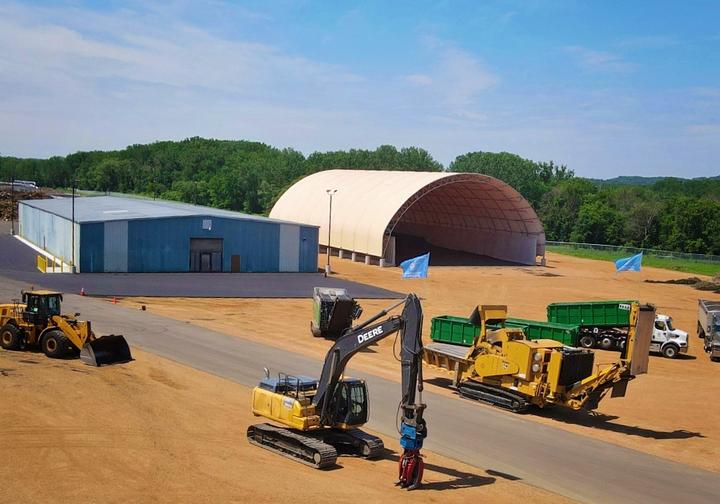
Shakopee, Minnesota Organics Recycling Facility
The GC Fabric Building Division relocated and repurposed a fabric structure that we originally constructed years ago, transforming it into two separate buildings, including a 100' x 160' storage building and a 100' x 144' tipping building for Dakota Prairie Composting.
Howard County, Maryland Commercial Composting Facility
To support the early stages of compost production, the GC Fabric Building Division constructed a 155’ x 224’ fabric building enclosure dedicated to pre-processing. Inside the building, incoming green waste and food waste are combined and prepared for composting, and larger material is ground into smaller pieces using a grinding machine to create a more consistent blend.

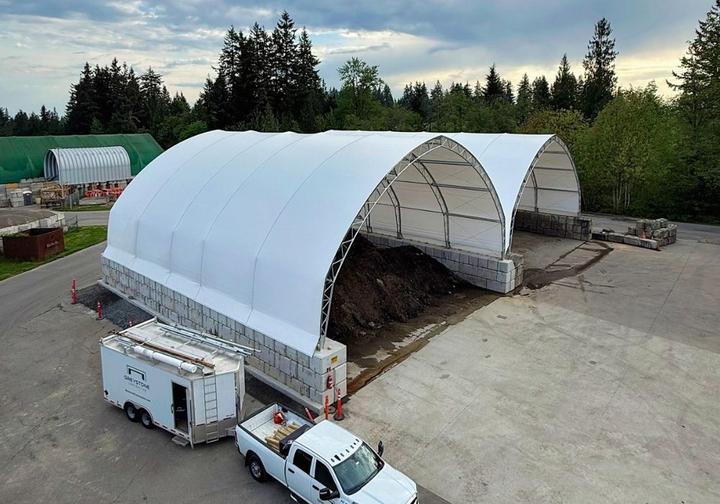
Snohomish, Washington Waste & Recycling Facility
The GC Fabric Building Division delivered two fabric covered buildings for Snohomish County Public Works in Washington, providing dedicated space to support efficient waste and recycling operations and material management.
Albany, Oregon Commercial Composting Facility
The City of Albany’s composting operation features two fabric structures designed to support high-volume organic waste handling while providing durability, ventilation, and efficient equipment access.

This compost facility has proven economical, efficient, and sustainable from an operational perspective, while creating long-term environmental benefits by diverting material that traditionally would have been landfilled, thereby reducing methane emissions.
Mark Gutberlet, P.E., BCEE, Vice President, EA EngineeringPhoto Gallery
Organic Waste Processing Facilities


